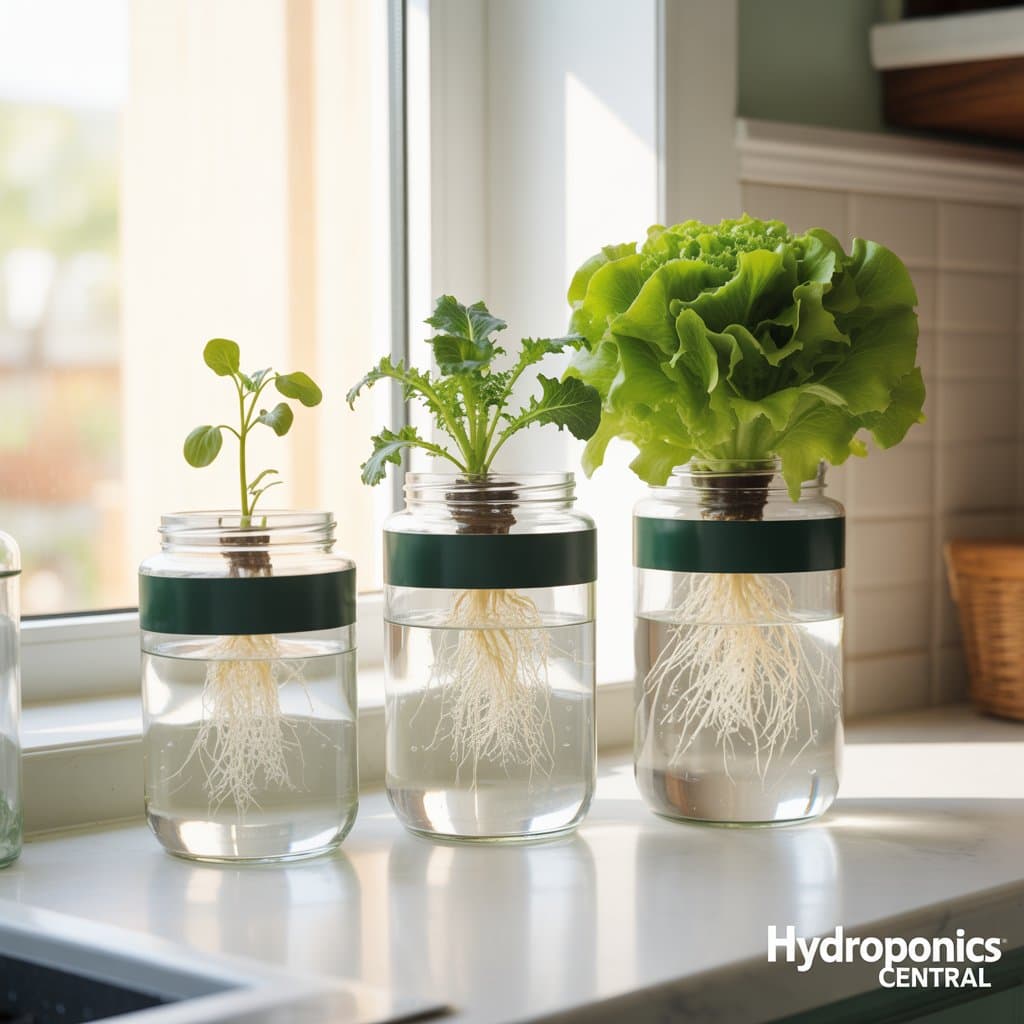
pH in hydroponics is the single number that determines whether the nutrients dissolved in your water are actually available to your plants. A perfectly mixed nutrient solution at the right EC is almost useless at the wrong pH — iron and manganese become chemically unavailable above pH 7.0, calcium locks out below 5.0, and a plant showing deficiency symptoms despite a correct EC reading almost always has a pH problem, not a nutrient shortage.
I researched this through university extension publications on hydroponic crop management and published growing references on nutrient availability. The chemistry is well-established and the practical implications for home growers are clear. I am a content curator, not a plant scientist — everything here is sourced and I will tell you specifically what equipment to buy and what numbers to hit.
What is pH and why does it matter in hydroponics?
pH is a measure of hydrogen ion concentration in a solution on a scale from 0 to 14. Below 7 is acidic, above 7 is alkaline, and 7 is neutral. In hydroponic growing, pH directly controls the solubility and plant-availability of every nutrient in the solution — a principle called nutrient availability, or when it goes wrong, nutrient lockout.
The reason pH is more critical in hydroponics than in soil is the same reason nutrients are more critical: there is no buffer. In soil, organic matter and clay particles help moderate pH swings and keep nutrients accessible across a wider range. In a nutrient solution, pH affects the chemistry of dissolved minerals directly. A 0.5-point drift into the wrong range is enough to trigger visible deficiency symptoms within 48–72 hours.
This is also why experienced growers check pH before they check anything else when a plant shows stress. Yellow leaves, stunted growth, and wilting in a well-fed system are almost always pH problems wearing the costume of nutrient deficiencies.

The optimal pH range for hydroponic crops
For most hydroponic crops, the target is 5.5–6.5, with 6.0 as the recommended midpoint for beginners. At 6.0, every essential nutrient — from nitrogen and phosphorus to iron and zinc — is at or near maximum availability simultaneously. The 5.5–6.5 window is not arbitrary; it represents the range where no individual nutrient fully locks out while all others remain available.
These ranges align with published hydroponic crop management data and nutrient availability research. Start at 6.0 regardless of crop and adjust based on how your plants respond — that midpoint gives you the most buffer in both directions.
How to measure pH accurately
Digital pH meters are the only practical option for hydroponics. pH test strips cannot deliver the 0.1-point precision the system requires, and the colour interpretation is subjective — two people looking at the same strip often read different values. A meter that reads 6.1 matters when 6.5 would cause iron deficiency symptoms in a cucumber system.
Recommended meters by budget:
Prices verified May 2026 — confirm with retailers before purchasing.
Calibration matters more than brand. Calibrate your meter before first use and once a month thereafter using pH calibration buffer sachets (4.0 and 7.0, typically included with the meter or available for ~$5–$8 separately). An uncalibrated meter can drift 0.3–0.5 points from accurate — enough to cause real problems if you trust the reading.
Probe care: Rinse the probe with distilled or deionised water before and after each measurement. Never wipe the probe — it can scratch or damage the glass electrode. Store the probe wet using the storage cap filled with KCl storage solution (usually included) or a small amount of pH 4.0 buffer.
How to adjust pH
Two products handle all pH adjustment in a hydroponic system: pH Down (phosphoric acid) to lower pH, and pH Up (potassium hydroxide) to raise it. Both are used in very small doses — add 1ml at a time, stir well, wait 15 minutes, and recheck before adding more. The most common mistake is adding too much at once and overshooting past the target in the opposite direction.
To lower pH (solution is too alkaline):
Use pH Down, which is phosphoric acid in diluted form. General Hydroponics pH Down costs approximately $10–$15 for an 8oz bottle and is enough for months of use in a home system. Add 1ml at a time to your reservoir, stir for 30 seconds, wait 15 minutes, recheck. The goal is gradual adjustment — overshooting in the other direction is common when too much is added at once.
To raise pH (solution is too acidic):
Use pH Up, which is potassium hydroxide in diluted form. Same process: small amounts, stir, wait, recheck. pH Up is less commonly needed in most home systems since pH typically drifts downward over time — but it is the right product when you need it.
Critical timing: Always mix all your nutrients first, check EC, and then check and adjust pH as the final step. Nutrients change the pH of water — if you adjust pH before adding nutrients, the pH shifts again when nutrients are added and you will need to adjust a second time anyway. Add nutrients, confirm EC, then adjust pH once.
Why pH drifts and how to stabilise it
pH drift is normal in any active hydroponic system. Two primary mechanisms drive it:
Plant absorption patterns. As plants absorb nutrients, they release hydrogen or hydroxyl ions in exchange — the specific balance depends on which nutrients are being consumed. Heavy nitrogen uptake during vegetative growth tends to acidify the reservoir. High potassium and phosphorus uptake during fruiting tends to alkalify it. This is why pH management becomes more active during fruiting stages.
Tap water top-ups. As plants consume water, you top up the reservoir level. Tap water typically has a pH of 7.0–8.0. Adding it directly without pH adjustment pushes your reservoir alkaline quickly — especially in small reservoirs with less buffering capacity.
How to slow pH drift:
- Adjust top-up water to your target pH (5.5–6.5) before adding it to the reservoir
- Keep adequate water volume — smaller reservoirs drift faster because there is less liquid to buffer small changes
- Avoid letting the reservoir drop below half volume before topping up
- In warm conditions above 72°F, check pH more frequently — microbial and chemical activity in the water accelerates at higher temperatures, both of which contribute to faster pH drift
What nutrient lockout looks like
Nutrient lockout from pH problems produces specific, recognisable symptoms. Knowing which nutrients lock out at which pH helps you diagnose problems correctly and fix them rather than adding more nutrients that cannot be absorbed.
High pH symptoms (above 7.0):
- Yellowing between leaf veins while veins remain green (interveinal chlorosis) — iron and manganese lockout
- New growth yellowing before old growth — iron moves within the plant, so older leaves stay green while new leaves show the deficiency
- Stunted growth without visible damage to existing leaves
Low pH symptoms (below 5.0):
- Tip burn in lettuce — calcium lockout
- Broad yellowing of older leaves — magnesium lockout
- Blossom end rot in tomatoes — calcium lockout during fruiting
In all cases, the fix is pH adjustment, not adding more of the locked-out nutrient. Adding iron to a system at pH 7.5 does nothing because the iron will also lock out at that pH. Lower the pH first, then reassess whether the plant recovers on its own over the next few days.
Common pH mistakes
Trusting pH strips over a calibrated meter. Strips are useful for testing aquarium water where precision matters less. In hydroponics, the difference between 6.3 and 6.8 is the difference between healthy cucumbers and iron deficiency. Invest in a meter.
Not calibrating the meter regularly. A meter that worked perfectly three months ago may have drifted 0.3–0.5 points. Calibrate monthly. Buffer sachets are inexpensive and take two minutes.
Adding pH adjustment in large amounts. A full teaspoon of pH Down in a 3-gallon Kratky jar can swing pH from 7.5 to 4.0. Use 1ml increments, stir, wait 15 minutes, recheck.
Checking pH immediately after adjustment. pH adjustments take time to fully distribute and equilibrate throughout the water — especially in larger reservoirs. A 15-minute wait between adjustment and recheck gives you an accurate reading.
Confusing deficiency with pH problems. Before adding any supplement for a suspected deficiency, always check pH. The majority of deficiency symptoms in home hydroponic systems trace back to pH problems, not genuine nutrient shortages in the solution.
My take as a curator
pH management is the skill that separates growers whose plants consistently thrive from those who spend time troubleshooting symptoms that never respond to nutrient changes. The investment is a $50–$80 digital meter and two small bottles of adjustment solution. That is genuinely all you need to control this variable.
The number that matters: 6.0. If your system runs stable at 6.0, all 17 essential elements are available, and you have a 0.5-point margin of drift in either direction before problems begin. Chasing 5.8 versus 6.1 is not a useful focus for a beginning grower.
What surprised me most in the research: pH problems cause the majority of deficiency symptoms in home hydroponic systems, not genuine nutrient shortages. Most growers running visible deficiency symptoms have adequate EC — they just have not checked pH. This one variable explains more plant problems than anything else in a hydroponic setup.
For the complete guide to what goes into the water before you check pH, see our hydroponic nutrients guide. For troubleshooting the most common consequence of unmanaged pH and poor oxygenation, see our root rot in hydroponics guide.
Join 1,000+ growers getting one curated hydroponic tip every week — subscribe to the Hydroponics Central newsletter. Free, no spam.
Key Takeaways
Quick reference summary
- 1The optimal pH for most hydroponic crops is 5.5–6.5. At 6.0, all 17 essential nutrients are maximally available — use this as your default target.
- 2Nutrient lockout occurs when pH drifts outside the optimal range. Iron and manganese lock out above 7.0. Calcium and magnesium lock out below 5.0. A plant showing deficiency symptoms despite correct EC almost always has a pH problem.
- 3A reliable digital pH meter costs $50–$80. pH test strips are not accurate enough for hydroponic management — they cannot deliver the 0.1-point precision the system requires.
- 4Always adjust nutrients first, then pH. Adding nutrients to already-adjusted water changes pH again — adjusting twice is wasted time.
- 5Check pH at least twice a week. In a DWC system with fast-growing fruiting plants, check every 24–48 hours — pH can drift 0.5–1.0 points within two days.
- 6pH Down is phosphoric acid. pH Up is potassium hydroxide. Add in 1ml increments, stir well, wait 15 minutes, and recheck before adding more.
Frequently Asked Questions
Common questions from our readers
Written by
Carl — Hydroponics CuratorI research hydroponics so you don't have to — going through university studies, extension programs, and grower communities to find what actually works for home growers.
I'm a content curator and researcher, not a licensed agronomist or commercial grower. Everything published here is sourced from credible third-party research, which is always linked inline. When in doubt, consult your local agricultural extension office. Learn more about how I research →
Found this helpful? Share it!